
What Can Affect IVF Outcomes? Age, Diagnosis and Other Factors
An honest, scientific assessment of the clinical biological factors that influence the likelihood of a successful live birth.
Reviewed by Dr. Dileep Kumar H R, MBBS, DGO, DRM
October 2026 · Evidence-Based Healthcare
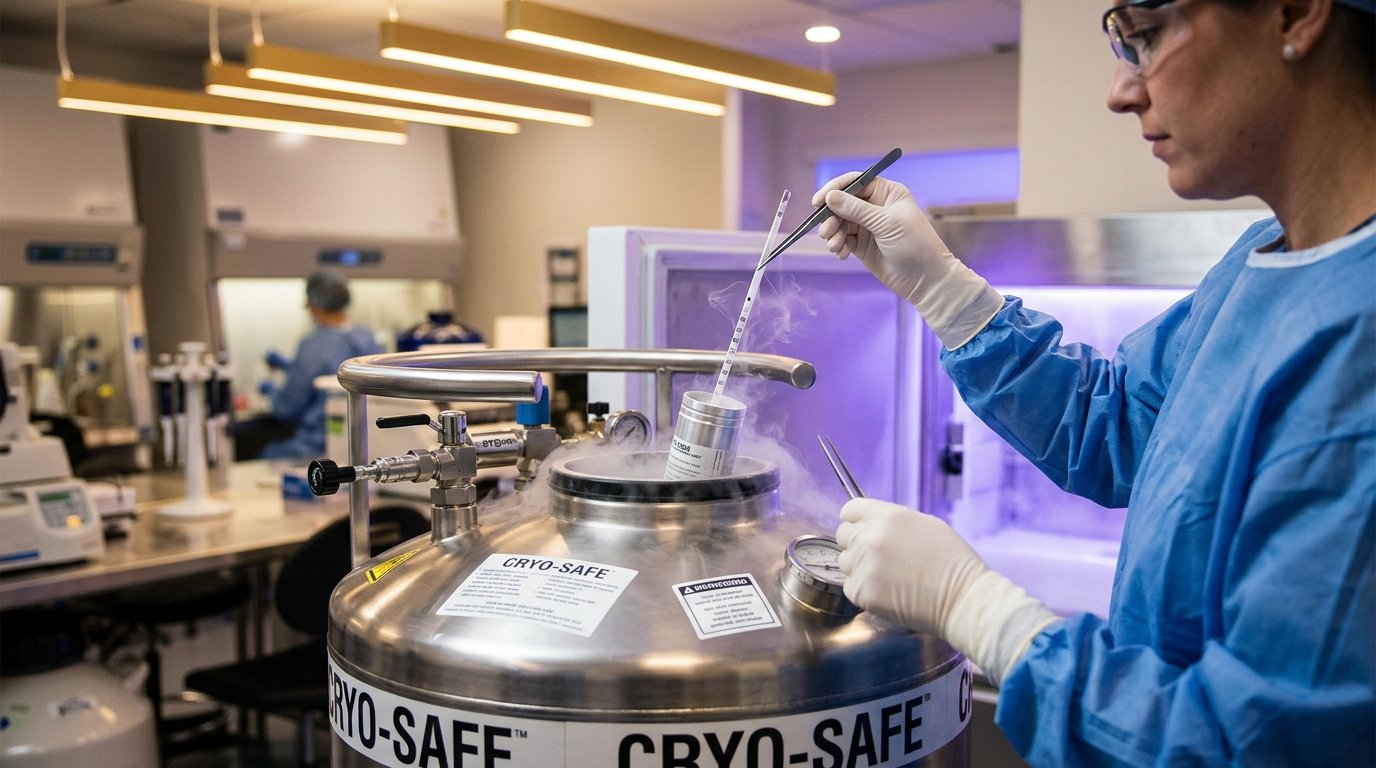
No ethical clinic can guarantee a 100% pregnancy rate. Understanding what drives IVF success allows patients to navigate treatment with clarity and grounded optimism.
1. Maternal Age: Age remains the most significant predictor because female oocyte quantity and chromosomal euploidy decrease naturally with advancing chronological age.
2. Embryo Quality and Chromosomal Competence: A blastocyst that appears morphologically excellent under a microscope may still carry numerical chromosomal abnormalities (aneuploidy) that prevent sustained implantation.
3. Uterine Receptivity: Conditions like endometrial polyps, submucosal fibroids, thin endometrium, or chronic endometritis can affect whether an embryo successfully attaches.
4. Sperm DNA Quality: Severe sperm DNA fragmentation can impair blastocyst development and elevate miscarriage risk, even when conventional semen parameters look acceptable.
5. Embryology Laboratory Quality: Stable incubator environments, air filtration, temperature regulation, and skilled embryologists are vital for optimal blastocyst formation.
Considering a Second Opinion on Your Reports?
Bring your previous cycle logs, scans, and tests for an unhurried, independent review with Dr. Dileep Kumar H R.
Frequently Asked Questions
Yes. Optimizing BMI, quitting smoking/alcohol, managing chronic stress, taking folic acid/antioxidants, and regulating thyroid function improve egg and sperm quality over a 3-month cycle.