
Hysteroscopy and Laparoscopy: What Patients Should Ask Their Doctor
Understanding minimally invasive reproductive endoscopy: diagnostic vs. operative, recovery timelines, and fertility benefits.
Reviewed by Dr. Dileep Kumar H R, MBBS, DGO, DRM
October 2026 · Evidence-Based Healthcare
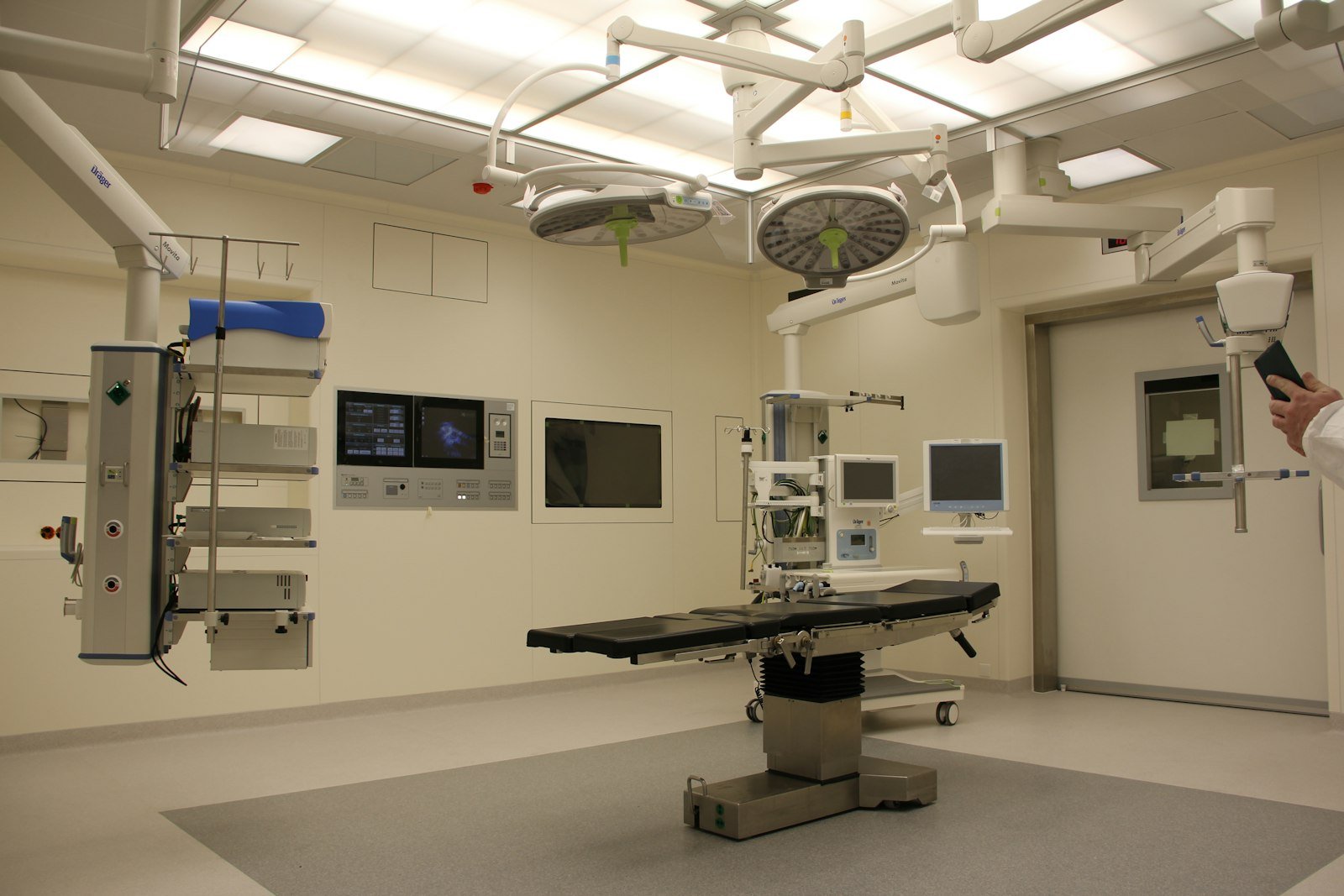
Minimally invasive reproductive surgery has transformed both gynaecology and fertility management.
Hysteroscopy involves inserting a slender lighted telescope through the natural cervical opening into the uterus without any abdominal incisions. It is used to diagnose and remove endometrial polyps, submucosal fibroids, intrauterine scar tissue (Asherman's syndrome), or uterine septums.
Laparoscopy uses tiny 5 mm keyhole incisions on the abdomen to visualize the pelvic cavity, inspect the ovaries and fallopian tubes, test tubal patency with dye, and excise endometriotic lesions or ovarian cysts.
Key questions to ask your surgeon: Is the procedure day-care or does it require an overnight stay? Will pathology be corrected during the same procedure? How soon after surgery can we resume trying to conceive?
Considering a Second Opinion on Your Reports?
Bring your previous cycle logs, scans, and tests for an unhurried, independent review with Dr. Dileep Kumar H R.
Frequently Asked Questions
Most patients return home within a few hours of the procedure and can resume normal daily activities within 24 to 48 hours.